Living in a prewar building on the Upper West Side comes with charm and character, but also with plumbing that can test your patience. The pipes in these buildings often date back to the 1920s or earlier, and they don't always behave the way modern systems do. I learned this the hard way a few winters ago when a cast-iron waste stack finally gave out, sending a slow seep through my kitchen ceiling. That experience taught me something I now pass on to every homeowner I know: when you need someone who understands the quirks of old New York plumbing, you call a Licensed Plumber 10023.
The 10023 zip code covers a dense stretch of the Upper West Side, from West 63rd Street up to about West 86th Street. The buildings here share similar construction methods and material choices. A plumber who has worked extensively in this area knows the common failure points - the galvanized supply lines that corrode from the inside out, the lead goosenecks at the street connection, and the way a boiler from the 1970s needs different care than a modern high-efficiency unit. That local knowledge matters more than most homeowners realize.
Local Knowledge Changes Everything
A general plumber might be able to fix a leaky faucet anywhere. But a plumber who works regularly in 10023 understands the specific water pressure quirks that come from the old municipal supply lines in this part of Manhattan. They know which buildings still have original galvanized risers and which have been retrofitted with copper. They also know the Department of Buildings filing requirements for this community district, which can be different from what you need in a newer neighborhood like Hudson Yards.
For example, when a friend of mine needed to replace the main waste line in her co-op on West 74th Street, the board required a specific type of insurance and a licensed contractor who had done similar work in the building before. Her first call went to a plumber from outside the area who had good reviews online, but he could not get the job approved because he lacked the local track record. She ended up working with a Licensed Plumber 10023 who had already pulled permits for half a dozen similar jobs on that same block. The work was done in three days, and the co-op board did not raise any objections.
Common 10023 Plumbing Issues
Over the years, I have seen the same patterns emerge across Upper West Side apartments and brownstones. Here are the problems that show up most often in this zip code:
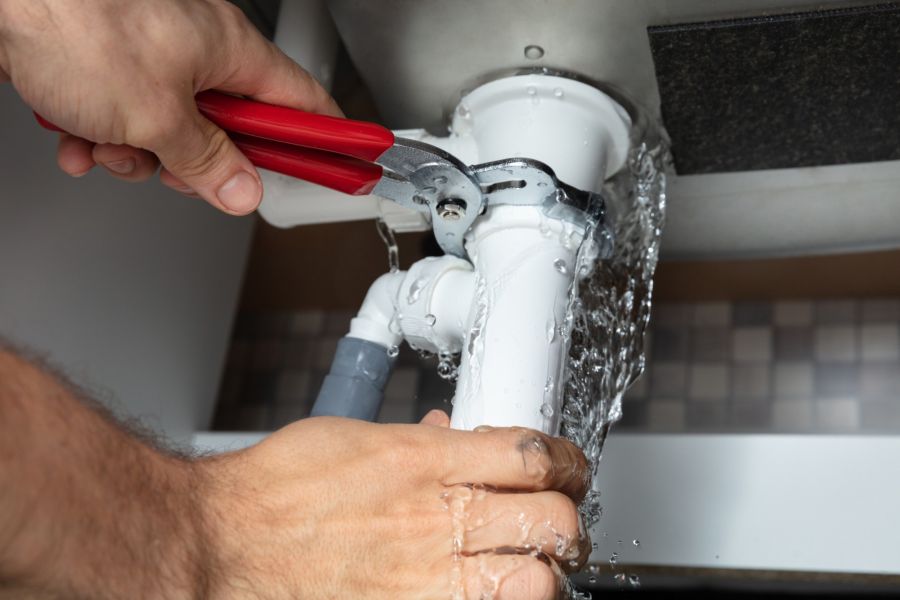
- Old galvanized steel pipes that have rusted internally, causing low water pressure and brown water when the system is first used in the morning
- Cast-iron waste stacks that have developed hairline cracks from years of thermal expansion and vibration
- Boiler systems from the 1980s that need annual maintenance to avoid carbon monoxide risks and uneven heat
- Toilet flanges that have been improperly sealed, leading to slow leaks that damage hardwood floors over months
- Gas piping upgrades required by Con Edison when you replace a water heater or boiler
Each of these issues requires a specific set of skills and equipment. A plumber who understands the 10023 building stock will bring the right tools for cutting old cast iron, the correct fittings for transitioning from galvanized to copper, and the experience to navigate the co-op board approval process without unnecessary delays.
Boiler Repair and Winter Preparedness
One of the most critical services in the Upper West Side is boiler repair. Many buildings still run on steam heat from a central boiler in the basement. When that boiler fails in January, you have a building full of cold tenants and a super who is suddenly very popular. A Licensed Plumber 10023 who has worked on these specific boiler models can often diagnose the problem without having to order specialized parts from out of state. They keep common spares on their truck - igniters, pressure relief valves, and circulator pumps - because they know what breaks most often.
I remember a stretch two years ago when a cold snap hit in early February. The boiler in a 12-unit building on West 80th Street had a flame rollout issue that tripped the safety cutoff every few hours. The super tried resetting it, but the problem kept returning. The board called a plumber from outside the neighborhood who was not familiar with the building's outdated control system. He spent a full day chasing a wrong diagnosis. Finally, the super's cousin recommended a plumber who had serviced that same boiler model for years. That plumber arrived, checked the draft hood, found a bird's nest blocking the flue, cleared it in twenty minutes, and the boiler ran without issues for the rest of the winter. That is the difference experience makes.
Drain Cleaning and Preventative Maintenance
Drain cleaning is another area where local expertise matters. The tree roots in this part of the city love old clay sewer laterals. Every year, at least one homeowner on my block calls me about a backed-up basement drain. The usual fix is a hydro-jetting service that blasts the roots out, but if the pipe has deteriorated too much, the jetting can actually make the problem worse by breaking off pieces of the pipe wall. A plumber who has worked in the neighborhood knows which streets have clay laterals and which have been replaced with PVC. They also know the city's protocols for requesting a sewer inspection and who to call at DEP for emergency situations.
A Licensed Plumber 10023 will also advise you on preventative drain cleaning. If you live in a building with old trees near the sewer line, having the main drain cleaned every 18 months can prevent a full backup during a rainstorm. It is cheap insurance compared to the cost of a flooded basement and the mold remediation that follows.

Gas Piping and Safety
Gas piping is one of those jobs that you should never let an unlicensed handyman touch. The risks are real - a gas leak can cause an explosion or carbon monoxide poisoning. In New York City, only a licensed master plumber can perform gas piping work on multi-unit buildings. The Licensed Plumber 10023 designation means the person has passed the city's rigorous exam and carries the proper insurance. That matters when you need to run a new gas line for a stove or convert a building from oil heat to natural gas.
I have seen too many DIY gas projects go wrong. A friend of mine tried to extend a gas line to move his stove across the kitchen. He used a flexible connector that was not rated for the higher BTU output of his new range. The connection slowly leaked for weeks before he smelled it. He called a plumber who immediately shut off the gas at the meter and replaced the entire run with black iron pipe, properly tested. That plumber happened to be a Licensed Plumber 10023 who knew the local gas utility's requirements for tagging and inspection. The job passed inspection on the first visit, saving my friend weeks of waiting for a reinspection.
Connect with us on Instagram.
What to Look for in a Plumber
When you need plumbing work in 10023, start by checking three things: the plumber's license number with the NYC Department of Buildings, proof of general liability and workers' compensation insurance, and references from buildings similar to yours in age and size. Do not rely solely on online reviews. Many excellent plumbers do not have a big web presence because they stay busy through word of mouth. Ask your building's super or your neighbors who they use. That local recommendation is often more valuable than a five-star rating from a stranger.
Also, be wary of plumbers who quote a flat price over the phone without seeing the job. Old buildings hide surprises. A quote that sounds too good to be true usually means the plumber is planning to charge extra for every unexpected turn. A reputable plumber will come out, look at the pipes, and give you a written estimate that accounts for the typical conditions in your building type.

Final Thoughts
Plumbing in an old city like New York is not just about fixing leaks. It is about understanding how the whole system works together - the municipal supply, the building's internal distribution, the waste removal, and the gas lines that power your appliances. A plumber who knows the 10023 area brings that understanding to every job. They have seen the same problems before, they know what solutions last, and they have the relationships with local suppliers and inspectors to get things done efficiently.
Glenn's Plumbing Services, located at 342 W 71st St, New York, NY 10023, USA, can be reached at +1 646-963-2616 for residential and commercial plumbing, drain cleaning, boiler repair, and gas piping services in the Upper West Side. With over 24 years of experience, they have built a reputation for reliable work and honest advice.